

Types of threads for sewing or knitting
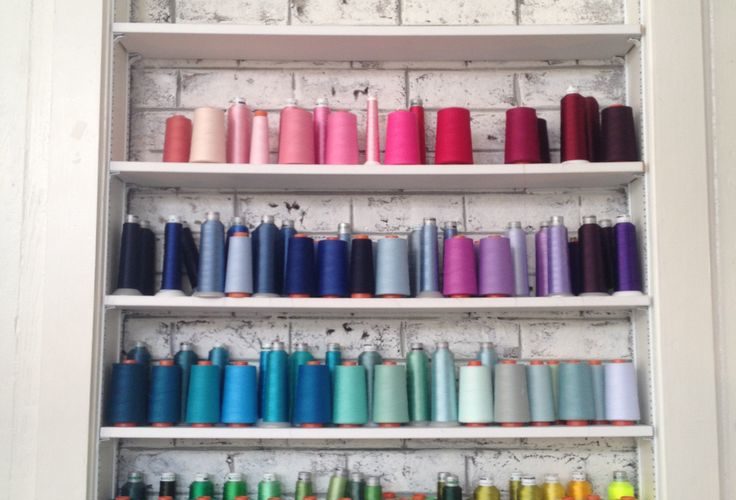
Complete guide to the different types of threads for sewing or knitting
Understanding the types of threads for sewing or knitting is essential when selecting the most suitable material according to the fabric, required strength and type of project.
Throughout history, natural threads were widely used, and later synthetic threads appeared, offering greater durability.
If you would like to see crafts made with sewing threads, visit:
crafts with sewing threads.
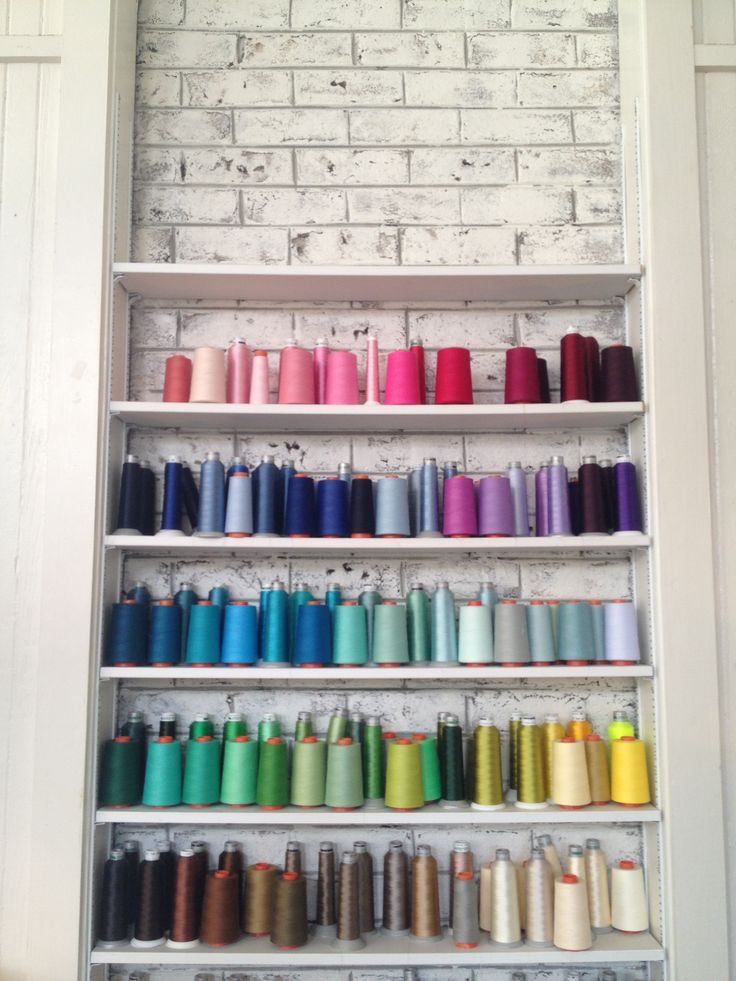
🧵 1. Classification of threads according to their origin
Threads can be divided into three main families:
- Vegetable-based threads (cotton, linen).
- Animal-based threads (wool, silk, hair fibres).
- Synthetic threads (polyester, nylon, technical blends).
Natural threads provide a soft, traditional feel, though their resistance is lower than that of synthetic threads.
If you are interested in projects made with natural fibres, take a look at:
figures and artwork made with wool threads.
🧩 2. Types of threads according to their construction
• Spun thread
Made from short fibres joined by twisting or textile adhesives. It is the most common in traditional sewing.
• Monofilament thread
A single filament, twisted or not, with enough strength to be woven or braided. Used when dimensional stability is needed.
• Multifilament thread
Composed of several continuous filaments, with or without twist. A common example is synthetic core threads with a cotton jacket.
• Metallic thread
A metal filament coated with a flexible, waterproof plastic material. Used in decorative stitching and embroidery requiring a metallic finish.
🌱 3. Most commonly used vegetable and animal threads
• Cotton thread
Soft, with low twist and a slightly spongy texture. Suitable for 100% cotton garments.
It should not be used in sewing machines due to its limited strength.
• Mercerised cotton thread
Stronger than regular cotton, with a slight sheen and available in many thicknesses. Suitable for machine sewing.
• Silk thread
Ideal for delicate textiles, sheer fabrics and fine hand embroidery. It offers excellent drape, though colour availability is limited.
If you enjoy decorative ideas using wool threads, you may like:
how to make wool stars.
⚙️ 4. Synthetic threads and technical blends
Synthetic threads are produced from petroleum-derived polymers. Their main advantages are high resistance, durability and uniformity.
The most common varieties include:
- Polyester: resistant, elastic and suitable for most fabrics.
- Nylon: used in technical fabrics and reinforced seams.
- Cotton–polyester blends: provide a natural appearance with improved performance.
📏 5. Types of threads according to thickness
Thread thickness determines resistance and compatibility with different fabrics. The most commonly used sizes include:
- 40/3 — Very thick: for high-strength seams.
- 70/2 and 60/2 — Medium thickness: ideal for denim, canvas and strong fabrics.
- 100/2 — Fine: used in children’s clothing and soft garments.
- 120/2 — Very fine: perfect for light fabrics, lace and delicate work.
📊 Summary table: types of threads
| Thread type | Characteristics | Main uses |
|---|---|---|
| Cotton | Soft, low twist, spongy | Light sewing, 100% cotton garments |
| Mercerised cotton | Strong, shiny, machine-sewable | Fine textiles, linen, precision work |
| Silk | Very fine, delicate, limited colours | Fine embroidery, high-quality garments |
| Synthetic | High resistance, elasticity | Technical fabrics, sportswear |
Publicaciones relacionadas:
 Types of Wallpaper and How to Apply It Step by Step
 Basin types: materials, installation styles and price guide
 How to Install a False Ceiling at Home: Types, Uses and Costs
 What Is a Septic Tank and How Does It Work? Types, Installation and Maintenance
 Thermal Insulation Materials: Types, Uses, and How to Choose the Best Option for Your Building
 Types of ecological pavements