

My Neighbors’ Noise Bothers Me: Effective Ways to Reduce It
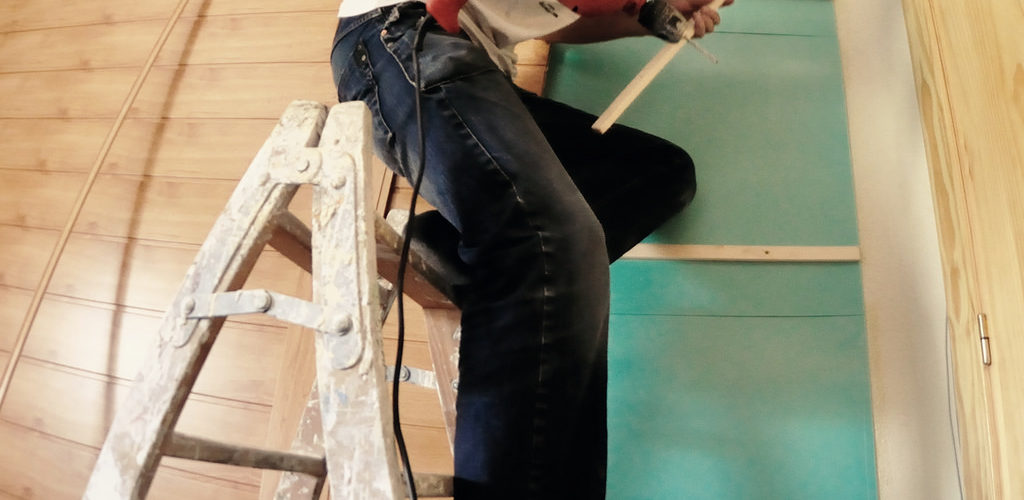
🔇 My neighbors’ noise bothers me: practical solutions to reduce it
If your neighbors’ noise bothers you, it is normal to look for an effective solution without getting into uncomfortable discussions. Noise in residential buildings is one of the most common problems, especially when there are neighbors living above, below, or next door.

🎧 Step 1: correctly identify the source of the noise
Before taking action, it is essential to accurately determine where the noise is coming from. In many cases, people assume the problem comes from the adjacent neighbor, when in fact it may come from the apartment above or below.
🔍 Correctly identifying the source helps avoid unnecessary solutions and poorly targeted expenses.
🏠 Step 2: determine how the noise is transmitted
Once the source has been identified, you need to analyze through which building element the noise is being transmitted:
- 🧱 Party walls
- 🏗️ Floors and ceilings
- 🪟 Windows or poorly sealed openings
There is always a weak point from an acoustic insulation perspective, and that is where action should be taken.
📐 Step 3: understand how noise travels
Noise is transmitted through the air and through structural vibrations. When sound waves pass through a building element, their attenuation mainly depends on the density and mass of the material.
👉 The greater the density of a partition, the better its sound insulation performance.
🔊 Step 4: sound insulation vs. sound absorption
It is important not to confuse two different concepts:
- Sound insulation: prevents noise from entering or leaving a room.
- Sound absorption: improves indoor acoustics by reducing reverberation.
In the case of neighbors’ noise, what you need is sound insulation, not absorption. You can learn more about this concept on Wikipedia: Sound insulation.
🛠️ Step 5: practical measures to reduce noise
Before resorting to complex construction work, you can apply some simple solutions that often provide good results:
🟢 Rugs and textiles: placing thick rugs helps reduce impact noise, especially if the sound comes from the neighbor below.
📚 Bookshelves with books: placing them on party walls increases the mass of the wall and helps reduce airborne noise.
📺 Relocating noise sources: if the noise comes from a television, speakers, or other devices, asking your neighbor to move them away from the shared wall can make a noticeable difference.
🧱 Technical insulation: if the problem persists or comes from the apartment above, the most effective solution is to install a suspended ceiling with acoustic insulation or to add an insulated lining to the walls.
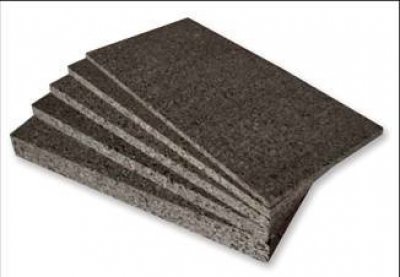
There are many acoustic insulation materials available on the market (rock wool, cork, wood-based panels, acoustic boards), but their effectiveness largely depends on their thickness and density. In many cases, a layer that is too thin will not solve the problem.
⚠️ For this reason, it is highly advisable to consult an architect or engineer to calculate the level of insulation required and avoid investing in ineffective solutions.
📋 Summary table: measures to reduce neighbors’ noise
| Noise source | Type of noise | Recommended measure | Difficulty |
|---|---|---|---|
| Neighbor below | Impact noise | Rugs, carpets | Low |
| Party wall | Airborne noise | Bookshelves, acoustic wall lining | Medium |
| TV or music | Airborne noise | Relocating equipment | Low |
| Neighbor above | Impact / structural noise | Suspended ceiling with acoustic insulation | High |
| Persistent general noise | Mixed | Professional acoustic design | High |
Content written by the editorial team of construccion.vilssa.
Publicaciones relacionadas:
 10 Effective Ways to Reduce Urban Traffic and Improve Sustainable Mobility
 10 Effective Ways to Make a Small Room Look Bigger
 Doors That Block Noise: How to Improve Sound Insulation
 How to Apply Natural and Cross Ventilation to Reduce Overheating
 How to Repair Roof Leaks – Causes, Diagnosis, and Effective Solutions
 Winter Flu Virus: Symptoms, Prevention and Effective Home Remedies