Cracks in the Wall: How to Identify Causes and Solutions
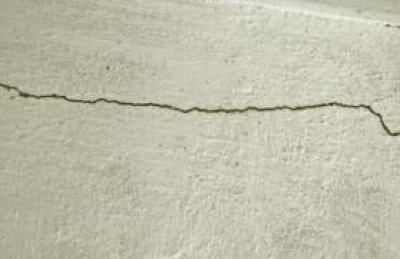
Cracks in the wall: how to identify them, causes and solutions
Cracks in the wall are one of the issues that most concern homeowners. Before panicking, it is essential to determine whether the problem is a structural crack or simply a superficial fissure.
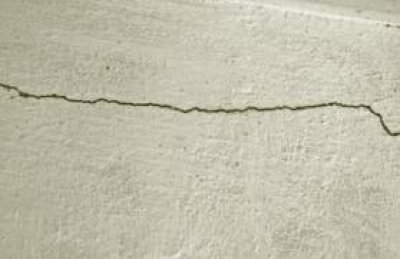
How to tell the difference between cracks and fissures in walls
Not all cracks in the wall have the same origin or level of severity. From a technical point of view, it is important to distinguish between cracks and fissures.
🔴 Structural cracks in the wall
Cracks are deeper and may affect structural elements such as load-bearing walls, beams, or columns. The direction of a crack often provides valuable information about its cause.
For example, a diagonal crack starting from the corner of an opening in a load-bearing wall may indicate excessive load or building settlement.
Structural cracks can only be repaired once their underlying cause has been addressed. In most cases, this involves reinforcing or repairing the affected structural element.
🧪 How to know if a crack is structural
The most basic method is to assess its depth, although this is not always conclusive. A common technique is the use of plaster crack monitors.
This method consists of placing a small plaster patch over the crack. If, after one or two months, the patch breaks, it indicates that the crack is still active and that structural movement may be present.
In such cases, it is advisable to contact a qualified professional to assess the extent of the damage.
🟠 Wall fissures
Most so-called cracks in the wall, especially in relatively new buildings, are actually fissures. These do not affect the load-bearing structure and are considered purely cosmetic defects.
Most common causes of wall fissures
- Differential movement between building elements
- Impacts or vibrations caused by doors and windows
- Poor-quality plaster or improper application
A very common cause is the mixing of plasters with different properties during construction, which leads to uneven responses to humidity and temperature changes.
How to repair wall fissures
Wall fissures can be repaired in several ways, depending on their size and the desired finish:
- Removing all plaster (recommended only for full renovations).
- Cutting small grooves, repairing with plaster, and repainting the wall.
- Applying elastic paints that can absorb minor fissures.
There are specialized products for these repairs, such as those available from Sika.
Article reviewed by the Vilssa Construction and Renovation editorial team.