


How to Re-Tile a Roof: When to Do It and Practical Advice
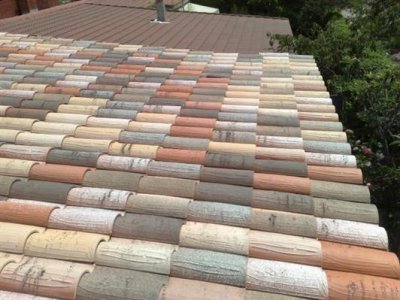
How to Re-Tile a Roof: When to Do It and What to Consider
Anyone who owns a house has probably wondered at some point when it will be necessary to re-tile the roof. Traditionally, this was a common maintenance task, especially in rural areas.
Why was it so frequent? Mainly because the construction quality of old roofs was relatively low. Roofs were not re-tiled due to overall deterioration, but rather to repair leaks that appeared season after season.
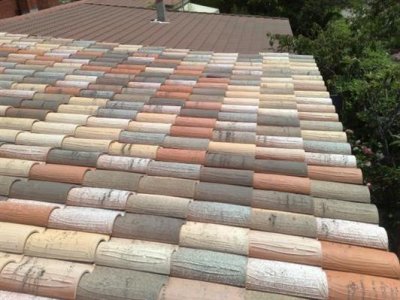
These leaks were usually caused by broken or displaced roof tiles, often due to wind or birds. In addition, many traditional roofs were built on wooden frameworks without a solid base or waterproof membrane. Any movement in this substructure could easily allow water to penetrate.
Today, construction standards have improved significantly. Modern roofs include continuous supports and waterproof layers, making recurring leaks far less common. However, when leaks do occur, they are often due to poor tile installation or material aging.
🛠️ When should you re-tile a roof?
Below are some practical criteria to help you decide whether it is time to re-tile your roof:
- 🧱 Inspect the overall condition of the tiles: if more than 50% of the tiles are broken or damaged, replacing the entire roof covering is recommended.
- 💧 Check the waterproofing layer: if you need to remove all tiles and discover that the substrate (concrete or smooth surface) is not waterproofed, it is advisable to install a waterproof membrane.
- 🏠 Use new tiles whenever possible: although old tiles are sometimes considered better, for full re-tiling it is preferable to use new, uniform tiles. Reusing old tiles is only advisable for partial repairs.
- 🔗 Pay attention to junctions and details: areas around chimneys, ridges, and eaves should be carefully checked and reinforced with waterproof solutions if necessary.
- 🌧️ Inspect gutters and downspouts: re-tiling is an excellent opportunity to check that the rainwater drainage system is working properly.
- ⚠️ Assess the scope of the work: if repairs affect more than 50% of the roof surface, it is usually more cost-effective and reliable to replace the entire roof.
📋 Summary table: when to re-tile a roof
| Criterion | Recommendation |
|---|---|
| Damaged tiles | Re-tile if more than 50% are broken |
| Waterproofing | Install a membrane if the substrate is unprotected |
| Type of tiles | Use new tiles for full roof replacement |
| Junctions and details | Reinforce with waterproof materials |
| Gutters | Inspect and clean during re-tiling |
| Extent of repairs | Replace the entire roof if over 50% is affected |
Content reviewed by the Vilssa Construction & Renovation editorial team.
Publicaciones relacionadas:
 How to fix tile grout joints
 How to Repair Roof Leaks – Causes, Diagnosis, and Effective Solutions
 Skylights: What They Are, How They Differ from Roof Lanterns, and How to Choose the Right Type
 How to fix the tile joints
 The pitched roof
 What to do if you forget your keys inside the house: practical solutions