

Differences Between Artist and Artisan: Art vs Craft
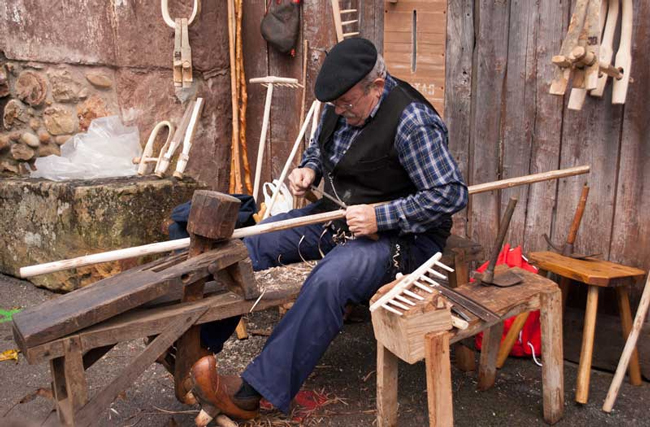
Differences Between an Artist and an Artisan
🎨🛠️ The difference between an artist and an artisan has been debated for centuries and continues to raise questions today. This reflection often arises naturally, for example when walking through a craft fair and observing the quality, technique, and beauty of the objects on display. At that moment, an inevitable question appears: where does craftsmanship end and where does art begin?
There is a widespread belief that an artist is someone with academic training, while an artisan is self-taught. However, this distinction is insufficient and leads to many contradictions, since many recognized artists have no formal education in fine arts, while numerous artisans possess extraordinary technical skills acquired through experience, tradition, and practice.
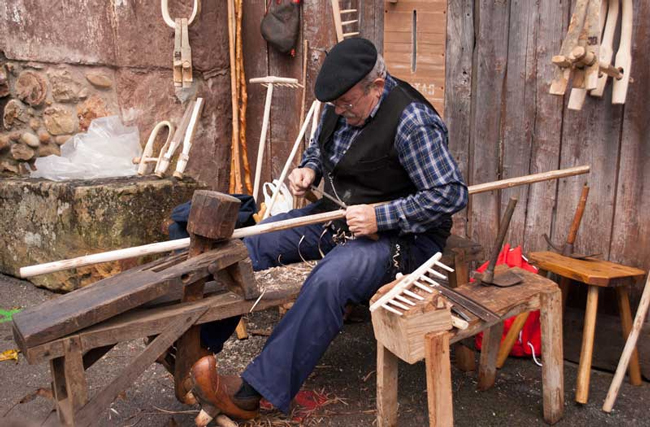
🎭 Art and Craftsmanship: a Blurred Boundary
🧠 Perhaps the differences between art and craftsmanship are so subtle that they respond more to a cultural and social perception than to an objective definition. Especially from the 20th century onward, the proliferation of artistic disciplines, craft trades, and their relationship with the market has contributed to reinforcing this separation.
Consider, for example, a stained-glass window: it is not the same to create a unique piece made by hand for a cathedral, a stained-glass window produced industrially for commercial purposes, or one created by an artist whose sole purpose is to be exhibited in an art gallery. The technique may be similar, but the intention, context, and destination of the work are fundamentally different.
📚 Traditional Definitions
📖 If we turn to traditional definitions, we find that an
artist
is a person who practices one of the fine arts and who, beyond technical skill, possesses a special sensitivity for creation, while the artisan develops a manual trade aimed at producing objects with a practical use. Nevertheless, this definition remains limited and fails to capture the historical complexity of both roles.
⏳ For centuries, the concepts of artist and artisan were deeply intertwined, and their activities were not clearly separated as they are today.
🏗️ Before the Industrial Revolution
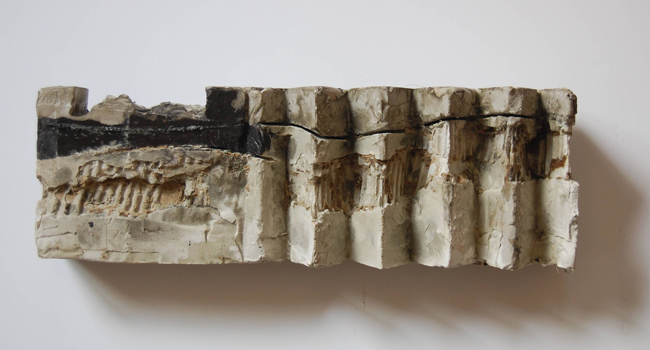
🪨 Until the 19th century, the boundaries between art and craftsmanship were far more diffuse. A master stonemason, for example, could carve stone blocks in a repetitive and mechanical way, and at the same time sculpt capitals, figures, or reliefs of great artistic value. Function and aesthetics coexisted naturally within the same profession.
🏭 The arrival of the Industrial Revolution marked a decisive turning point. Mass production began to replace many tasks traditionally carried out by artisans, breaking the system of knowledge transmission from master to apprentice and transforming the relationship between creation, labor, and value.
🎨 In response to this process, figures such as William Morris worked to revalue the plastic arts and handcrafted objects, laying the foundations of the Arts & Crafts movement. Later, artistic currents such as Modernism and Art Nouveau once again blurred the boundary, integrating art, craftsmanship, and design into architecture and everyday objects.
⚖️ Art, Craftsmanship and Industry
From that moment on, a clearer conceptual separation was established:
- 🎨 Art creates works primarily intended for contemplation and expression.
- 🛠️ Craftsmanship produces objects with a practical and functional purpose.
- 🏭 Industry manufactures products for mass distribution and consumption.
🤔 Even so, in the collective imagination the distinction remains ambiguous and is often reduced to considering art everything related to painting, sculpture, or architecture, and craftsmanship everything else, as long as it is not industrial production.
🔍 Conclusion
✨ From a strictly aesthetic point of view, there should be no essential difference between a work created by an artist, one made by an artisan, or even an object produced in series. The true distinction lies in the purpose for which it was created, rather than in its visual appearance or expressive value.
Publicaciones relacionadas:
 Differences Between Artist and Artisan: Art vs Craft
 Electricity energy cost differences between efficient and inefficient homes
 How to Make Plaster Masks Step by Step – Easy DIY Craft for Kids
 Art noveau. Victor Horta
 Guide to Buying a Wood Stove or Fireplace: Key Differences and Heating Efficiency
Différences de coûts énergétiques de l’électricité entre maisons efficaces et inefficaces
Guide to Buying a Wood Stove or Fireplace: Key Differences and Heating Efficiency
Différences de coûts énergétiques de l’électricité entre maisons efficaces et inefficaces