
What Is a Septic Tank and How Does It Work? Types, Installation and Maintenance
What Is a Septic Tank and What Is It Used For?
🟦 What Is a Septic Tank?
Septic tanks —also known as cesspools— are the most appropriate solution when it is not possible to connect to the main sewage network 🚫💧.
This occurs mainly in rural homes or areas far from urban environments.
Their purpose is to collect wastewater and prevent sewage from contaminating the surrounding soil.
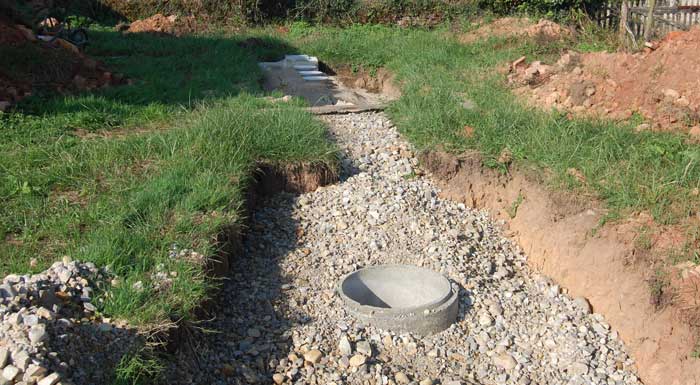
Traditionally, septic tanks were simple pits dug into the ground, filled with sand and gravel.
Later, septic tanks began to be built from rendered brick and eventually reinforced concrete 🧱.
Although these systems still work well, they require more construction work and maintenance.
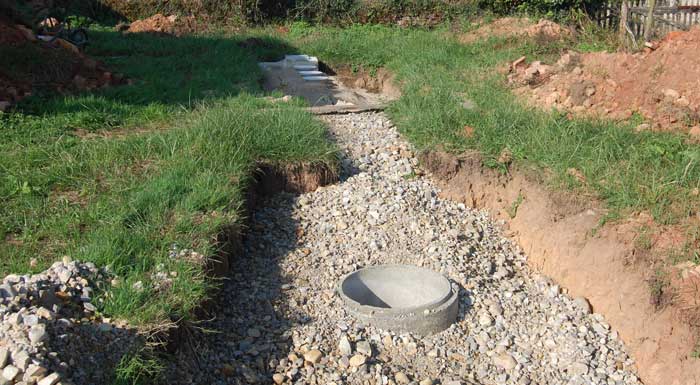 |
| Septic tank system: chamber + tank + drainage |
🟩 Types of Septic Tanks and Materials
Today, prefabricated septic tanks made of fiberglass or PVC 🟦 are very common.
They are more economical, lighter and easier to transport and install than traditional brick or concrete tanks.
Many models include easy-install kits and maintenance instructions.
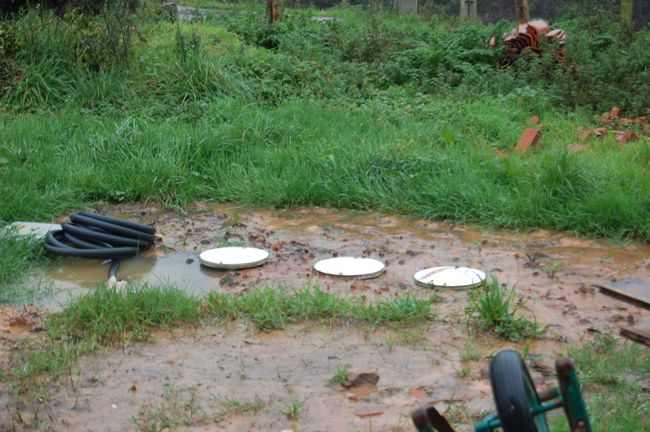 |
| Inspection covers of a buried septic tank |
For official guidelines on wastewater treatment and environmental requirements, you can consult the
Spanish Ministry for Ecological Transition 📘.
📍 Where Should a Septic Tank Be Installed?
Its location is essential for ensuring sanitary safety and avoiding future problems.
Follow these criteria:
- 🧭 Examine the soil to ensure it is stable and free of collapse risks.
- 🚗 Keep a minimum distance of 3 meters from vehicle traffic paths.
- 🌊 Do not install the septic tank near rivers or streams.
- ⬇ Place it, if possible, in the lowest area of the plot.
- 🚛 Ensure access for a vacuum truck for cleaning and maintenance.
🛠 Tips for Building or Installing a Septic Tank
The most recommended option is to install a prefabricated septic tank, unless special dimensions are required.
Easy access is essential, including an inspection cover to allow cleaning and periodic maintenance 🔧.
Traditional brick or concrete septic tanks are currently used only in specific cases requiring custom construction.
Most needs are now covered by the wide range of prefabricated options available 🧰.
🔬 Types of Septic Tanks and Internal Operation
Choosing a septic tank depends on:
- 👥 Number of users.
- 💧 Contamination level of the wastewater.
- 🏠 Building use.
- ⚙ Required treatment level.
Septic tanks are usually divided into compartments.
The basic system includes two:
- ➡ Settling chamber: separates solids.
- ➡ Digestion chamber: decomposes organic matter.
For enhanced purification, a third compartment may be added with biological agents 🧪.
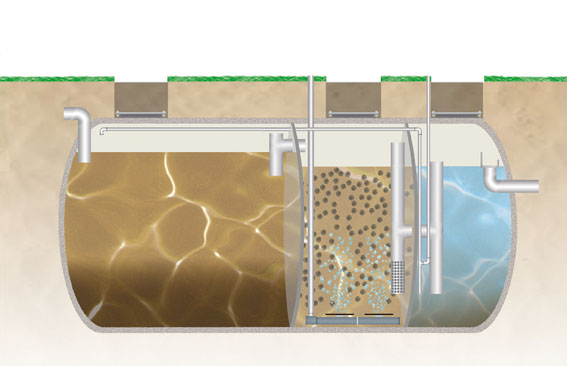 |
| Septic tank with three compartments |
For single-family homes, a two-compartment septic tank is usually sufficient.
🚰 The Wastewater System Connected to a Septic Tank
A septic tank is part of a larger wastewater treatment system.
Besides the tank and its pipes, a soakaway pit is needed to filter treated water into the soil.
This pit uses sand or other filtering materials and must be placed on permeable ground 🌱.
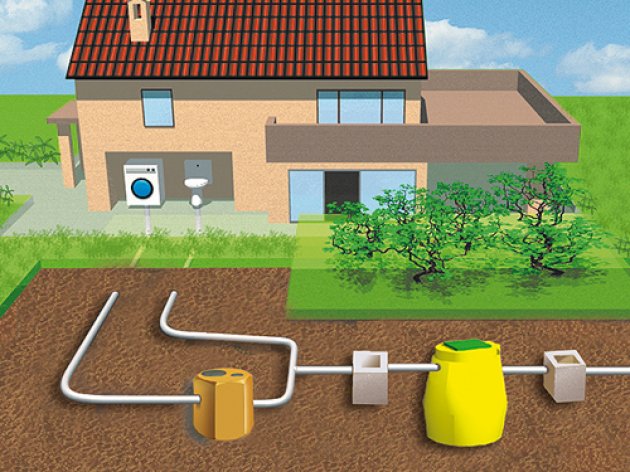 |
| Wastewater system of a house using a septic tank |
⚠ Common Problems When Using Septic Tanks
Septic tanks require more maintenance than a standard urban sewage connection.
To avoid problems:
- 🔍 Perform an annual inspection to check for blockages.
- 💦 Ensure the soakaway area does not flood, especially during rainy seasons.
- 🧽 Empty and clean the septic tank every 5 years.
- 🚫 Do not dispose of non-biodegradable solids in the system.
📊 Summary Table of Septic Tank Types
| Septic Tank Type | Material | Advantages | Disadvantages | Recommended Use |
|---|---|---|---|---|
| Traditional sand and gravel tank 🌱 | Excavated pit with sand and gravel | Very economical, simple construction | Irregular filtration, contamination risk | Old rural areas, minimal installations |
| Brick or concrete septic tank 🧱 | Rendered brick or concrete | Durable, high capacity, stable | Requires construction work, slower installation | Permanent homes, high-volume use |
| PVC prefabricated tank 🔵 | Reinforced PVC | Lightweight, economical, easy installation | Less resistant to impact and heavy loads | Rural homes, quick renovations |
| Fiberglass prefabricated tank 🟣 | Fiberglass | Strong, lightweight, corrosion-resistant | Higher cost than PVC | Permanent homes, difficult terrains |
| Biological treatment septic tank 🧪 | PVC/Fiberglass + active bacteria | High purification level, fewer odors | More maintenance, higher cost | Homes requiring high purification performance |