

How to Install a False Ceiling at Home: Types, Uses and Costs
How to Install a False Ceiling at Home: Types, Uses and Costs
Why Install a False Ceiling at Home?
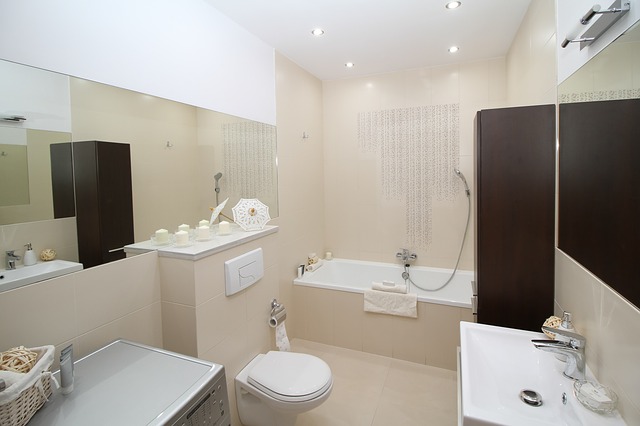
False ceilings serve several important functions in a home. They help hide installations, improve aesthetics, distribute lighting or visually divide a space.
In apartment buildings, they can also conceal installations from the upper floor. This is why they are widely used in both renovations and new construction.
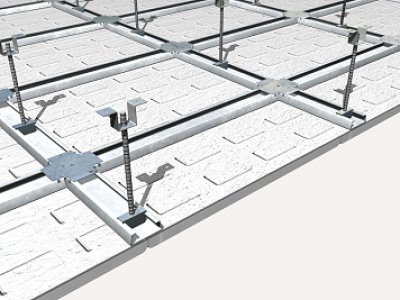
There are accessible (registrable) and non-accessible false ceilings. Accessible ceilings must be stronger because they may support stored items.
Most common false ceilings are lightweight and leave a gap of 10 cm to 1 meter between the structural slab and the visible ceiling surface. This space allows air conditioning ducts, waste pipes or wiring to be hidden.
When Is It Convenient to Install a False Ceiling?
The main purpose of a false ceiling is to hide installations, but there are other common reasons for using one:
- If you are installing a ducted air conditioning system (air conditioning).
- If you need to run bathroom or kitchen drains towards the building’s main vertical pipes.
- If you are redistributing rooms and changing lighting points (ceiling lighting).
- If you want to install recessed ceiling lights.
- If you need to add thermal or acoustic insulation (insulation).
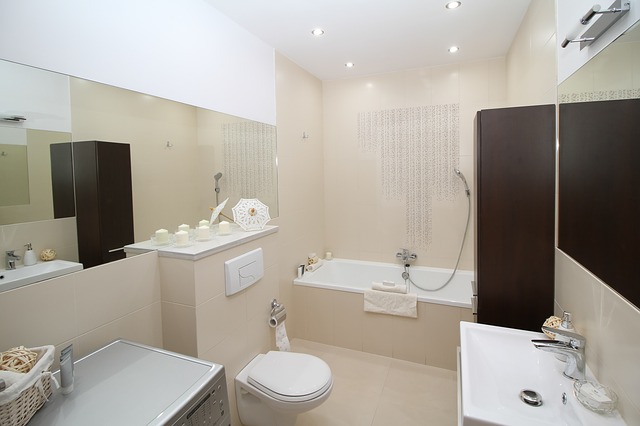 |
| False ceilings allow recessed lighting installations |
Which Type of False Ceiling Should You Choose?
Plasterboard and Gypsum False Ceilings
The most common false ceilings in homes are plasterboard and gypsum.
Both materials are lightweight, affordable and easy to install.
Plasterboard is cleaner and faster to assemble, although slightly more expensive than gypsum.
Other Types of False Ceilings
There are also wooden false ceilings, textile ceilings and other decorative ceiling systems.
In most homes, plasterboard or gypsum remains the most practical option, since they can be painted and allow easy installation of recessed lighting.
Key Considerations Before Installing a False Ceiling
Follow these recommendations before installing a false ceiling:
- Do not reduce the ceiling height below the allowed limits:
a) Living rooms, bedrooms or lounges: minimum height 2.5 m.
b) Bathrooms, kitchens or corridors: minimum height 2.20 m. - Add access panels if the false ceiling is large or contains complex installations. They make maintenance easier.
Using the False Ceiling as a Decorative Element
In many homes, false ceilings are flat and painted the same colour as the rest of the ceiling, so they go unnoticed.
However, you can use them decoratively by adding special shapes or different materials.
A very common option is cove ceilings.
These ceilings include perimeter recesses that hide lighting and create multiple height levels.
They are more expensive to install but visually impressive.
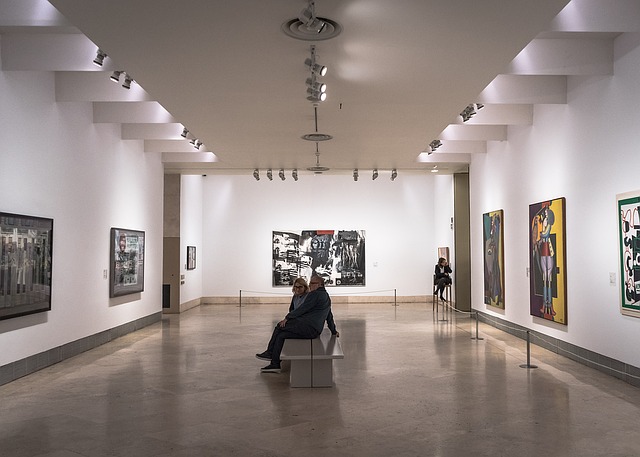 |
| Example of a false ceiling with a perimeter cove for lighting |
How Much Does It Cost to Install a False Ceiling?
The final cost depends on the total square meters installed.
Plasterboard and gypsum have similar prices, although plasterboard is usually cleaner and faster to install.
As a reference, prices generally range from 150 €/m² to 250 €/m², including paint and lighting openings.
Larger areas tend to be cheaper per square meter.
You can find more technical information about plasterboard systems on the official Pladur website.
Comparison Table of the Most Common Types of False Ceilings
| Type of False Ceiling | Advantages | Disadvantages | Recommended Uses |
|---|---|---|---|
| Plasterboard | Clean, fast to install, smooth finish, ideal for recessed lighting | Slightly more expensive than gypsum | Renovations, bathrooms, kitchens, recessed lighting |
| Gypsum | Very affordable, strong, good finish | Messier installation, less flexible | Older homes, continuous ceilings |
| Wood | Decorative, warm, elegant | More expensive, requires maintenance | Living rooms, decorative spaces |
| Stretch Fabric (Textile) | Lightweight, modern, allows lighting effects | High cost, specialised installation required | Modern decor, feature areas, shops or bedrooms |
| Accessible Ceiling | Easy access to installations | Less visually uniform | Offices, kitchens, technical rooms |
Publicaciones relacionadas:
 How to Turn a Train Carriage into a Home – Ideas, Costs, and Tips
 Thermal Insulation Materials: Types, Uses, and How to Choose the Best Option for Your Building
 Basin types: materials, installation styles and price guide
 How to Achieve an Energy-Efficient Home: Practical Low-Energy Strategies
 Simple and Original Ideas to Decorate Your Home for Christmas
 Types of Wallpaper and How to Apply It Step by Step