

Why Moisture Appears on Facades and How to Fix It
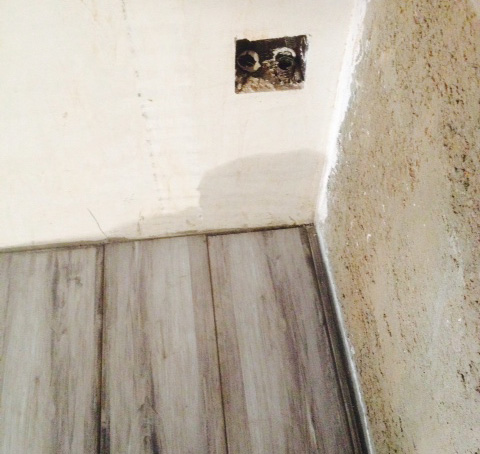
Why Moisture Appears on Facades and How to Identify It
One of the most common problems in buildings is the appearance of moisture and condensation on facades. In principle, the presence of moisture on the exterior does not always have to be a cause for concern, as long as it does not affect the structural or construction systems or penetrate into the interior of the building.
However, it is not always easy to determine whether moisture is a minor issue or a sign of a more serious problem. For this reason, correctly identifying its cause is essential.
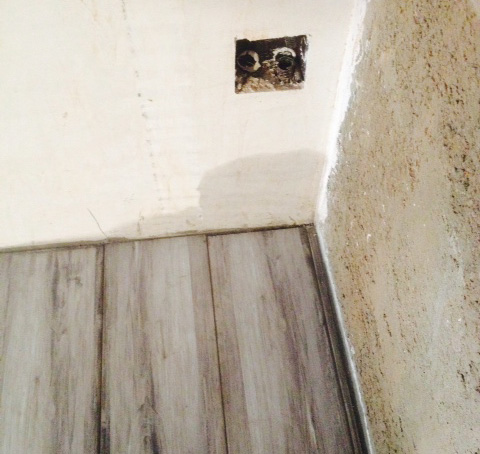
💧 Main Causes of Moisture on Facades
1️⃣ Moisture Caused by Rainwater
This type of moisture appears when rainwater saturates the exterior enclosure. Depending on the permeability of the material, the facade will absorb more or less water.
In properly built facades with multiple layers and air cavities, this moisture usually does not represent a serious problem, as the water evaporates in a short time and does not reach the interior of the building.
2️⃣ Moisture That Penetrates Indoors
This type of moisture occurs when the facade has been poorly executed or lacks an adequate system of layers and cavities. In such cases, water can pass through the enclosure and affect interior finishes.
The most common consequences include peeling plaster and paint, damage to installations, and the appearance of mold, which can directly affect occupants’ health.
To prevent this problem, it is essential to act on the facade itself by creating air cavities or improving its watertightness. When this is not possible, increasing indoor ventilation can help reduce indoor humidity levels.
3️⃣ Rising Damp at the Base of the Facade
Rising damp is the most dangerous type of moisture. It occurs when the ground surrounding the building is poorly drained, causing water to rise through the walls from the base.
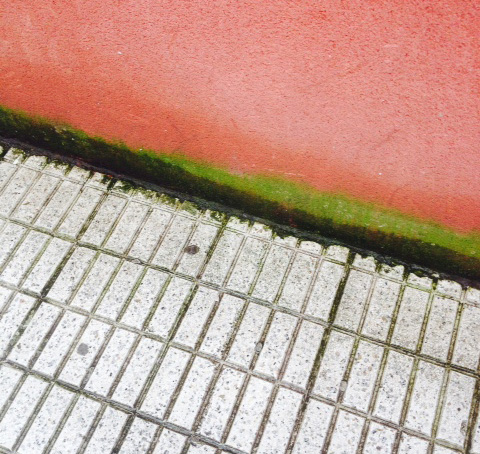
This type of moisture can affect not only the appearance of the facade but also the building’s foundations, potentially becoming a serious structural problem.
When rising damp is caused by inadequate drainage, the perimeter of the facade remains waterlogged. In these cases, the solution involves installing a perimeter drainage system using gravel-filled trenches and drainage pipes connected to the sewer network.
If the moisture originates only from the upper soil layer, the problem is less severe. It is usually sufficient to build a perimeter pavement, protect the base of the facade, or install a drainage layer to prevent water absorption.
📋 Summary Table: Types of Moisture on Facades
| Type of moisture | Origin | Severity | Common solution |
|---|---|---|---|
| Rainwater | Surface absorption of the enclosure | Low | Natural evaporation, multilayer facades |
| Indoor penetration | Poorly executed facade | Medium–High | Air cavities, facade improvement |
| Rising damp | Poor ground drainage | High | Perimeter drainage, base protection |
Content reviewed by the Vilssa editorial team.
Publicaciones relacionadas:
 Gypsum in Construction: What It Is and Why Cracks Appear
 How to fix tile grout joints
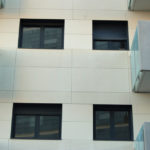 Polymer Concrete Ventilated Façades: Definition, Advantages and Applications
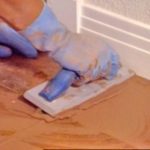 How to fix the tile joints
Façades ventilées en béton polymère : définition et applications
How to fix the tile joints
Façades ventilées en béton polymère : définition et applications
 Revêtements de façades avec panneaux photovoltaïques : solution énergétique GROW.2