

What Is an Exothermic Reaction? Definition and Simple Experiment
What Is an Exothermic Reaction and How to Observe It with a Simple Experiment
An exothermic reaction is a chemical reaction that releases energy in the form of heat. It is the opposite of an endothermic reaction, which absorbs energy from its surroundings.
🧪 How to Understand an Exothermic Reaction with a Practical Experiment
Below is a very simple experiment that helps explain what an exothermic reaction is in a visual and hands-on way. It is suitable for children, always under adult supervision.
📦 Materials Needed
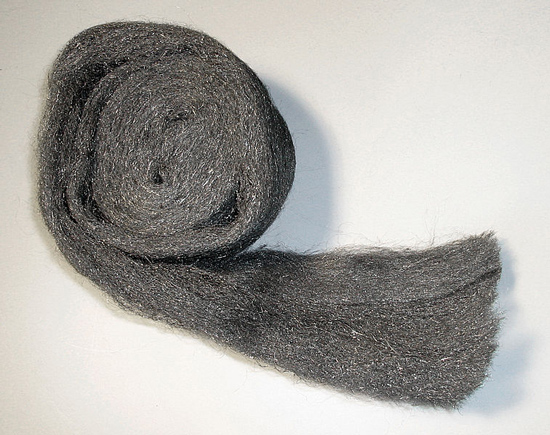
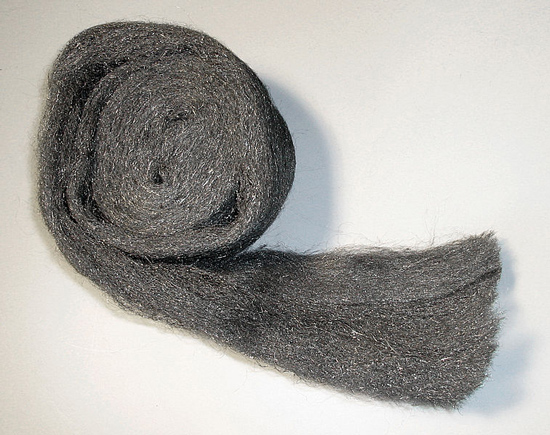
- 🧲 Steel wool (available at any hardware store).
- 🧪 Vinegar.
- 🥛 Two glass beakers or cups.
- 🧻 A lid or a piece of paper to cover the glass.
- 🌡️ A thermometer.
🔬 Steps to Perform the Experiment
- Place the steel wool in one glass and soak it in vinegar for about one minute.
- Remove the steel wool, lightly squeeze out the excess liquid, and place it in the second glass together with the thermometer.
- Cover the glass, leaving a small opening so you can read the thermometer.
- Record the temperature for approximately five minutes.
🔥 What Happens During the Reaction
During the experiment, you will notice that the temperature inside the glass gradually increases. In some cases, a slight mist or fog may even appear.
The vinegar removes the protective layer from the steel wool, allowing the iron to react with the oxygen in the air. The oxidation of iron is an exothermic reaction, because it releases energy in the form of heat.
⚗️ Simplified Chemical Equation
2Fe²⁺ (aq) + 1/2 O₂ (g) + 2H₂O → Fe₂O₃ (s) + 4H⁺ (aq)
📋 Summary Table: Exothermic vs. Endothermic Reactions
| Type of reaction | Energy exchange | Observable effect | Example |
|---|---|---|---|
| Exothermic | Releases heat | Temperature increases | Iron oxidation |
| Endothermic | Absorbs heat | Temperature decreases | Dissolving cold salts |
Content written by the Vilssa editorial team.
Publicaciones relacionadas:
 Polymer Concrete Ventilated Façades: Definition, Advantages and Applications
 Simple and Original Ideas to Decorate Your Home for Christmas
 Simple inventions that transform everyday life: real solutions improving low-resource communities
 Simple and Original Felt Lamps for Decorative Interior Lighting
Façades ventilées en béton polymère : définition et applications
Simple and Original Felt Lamps for Decorative Interior Lighting
Façades ventilées en béton polymère : définition et applications
 Le gypse dans la construction : définition et causes des fissures