

What a siphonic inspection chamber is used for
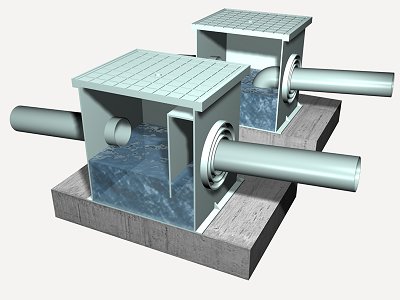
What a siphonic inspection chamber is used for and how it works in a drainage system
Understanding what a siphonic inspection chamber is used for is essential to ensure the proper functioning of a building’s drainage network.
Inspection chambers, as defined in
Wikipedia,
are access or passage points within underground evacuation systems.
Siphonic chambers play a key role: preventing foul odours from the public sewer network from entering the building.
If you want to explore more information on drainage systems, you can search here:
search “drainage”.
🧱 1. What an inspection chamber is within a drainage network
Inspection chambers are points for connection, inspection or direction changes in a building’s evacuation system.
Common types include base-of-stack chambers —located directly beneath downpipes— and through chambers, found along intermediate stretches.
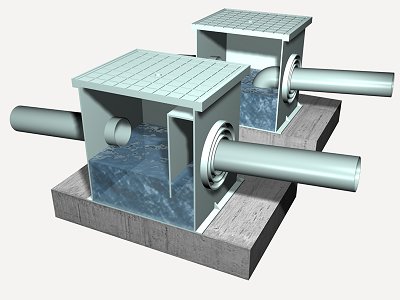
Chambers may be accessible (with a removable lid) or sealed.
Accessible chambers allow regular maintenance, although a sealed chamber can work perfectly well if properly constructed and airtight.
For more information on maintenance, you can search:
“maintenance drainage”.
🌀 2. What a siphonic inspection chamber is used for
The primary purpose of a siphonic chamber is to block the passage of odours from the public sewer system into the building.
It achieves this thanks to a siphon, a compartment that retains a layer of water at its lowest point.
This water barrier allows wastewater to pass through but prevents air —and odours— from flowing back.
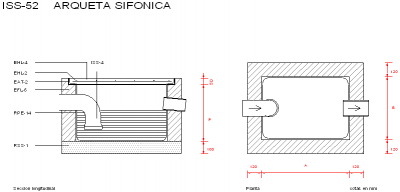
Understanding what a siphonic inspection chamber is used for becomes easier if we compare it to siphons in household fixtures such as sinks or showers.
All of them retain a small amount of water to prevent odours from coming back up.
In underground drainage networks, the siphonic chamber applies the same principle on a larger scale.
⚙️ 3. How the siphon works inside the chamber
The siphon slows down the natural movement of air —which tends to rise— while allowing water to flow through the outlet connection.
Because the air passage remains blocked by trapped water, gases are unable to travel back into the building.
This mechanism requires proper sealing and construction to guarantee its effectiveness.
🏗️ 4. Types of siphonic inspection chambers
Siphonic inspection chambers can be made from different materials:
- Concrete, common in traditional construction.
- Rendered brickwork, which requires a very smooth finish to avoid blockages.
- Prefabricated PVC chambers, which offer smoother walls and lower maintenance needs.
Whenever possible, it is advisable to install accessible chambers to allow inspection and periodic cleaning.
At least one siphonic chamber should be placed before the final connection to the main public sewer.
To explore PVC solutions, you can search:
“pvc”.
📊 Summary table of siphonic inspection chambers
| Aspect | Description |
|---|---|
| What a siphonic chamber is used for | To prevent sewer odours from entering the building |
| How it works | A retained water layer blocks air movement but allows wastewater flow |
| Common materials | Concrete, rendered brickwork, prefabricated PVC |
| Recommendation | Install an accessible siphonic chamber before the main sewer connection |
Publicaciones relacionadas:
 How to Measure on a Floor Plan: A Practical Step-by-Step Guide
 Can We Live Without Oil? Future Energy Alternatives and Sustainable Substitutes
 Basin types: materials, installation styles and price guide
 How to Make a Christmas Wreath with Clothespins Step by Step
 How to Make a Metal Gift Box for Wrapping Christmas Presents
 How to repair a parquet floor: practical step-by-step guide