

Tree-Suspended Camping Tent: How It Works

Tree-suspended camping tent: a different way to camp
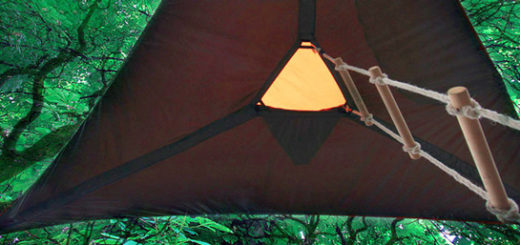
A tree-suspended camping tent is not a hammock, but a fully functional tent designed to hang between tree branches. Instead of resting on the ground, this type of tent is installed using straps and tensioning systems, creating a stable elevated platform.
This solution has become increasingly popular among outdoor enthusiasts looking for alternative camping experiences and closer contact with nature.

One of the main advantages of a tree-suspended camping tent is that it completely avoids direct contact with the ground. This significantly reduces problems related to moisture, mud, and insects, especially in humid or forested areas.
In addition, since the tent does not require ground preparation, its environmental impact is lower compared to traditional camping tents, making it an attractive option for eco-conscious campers.
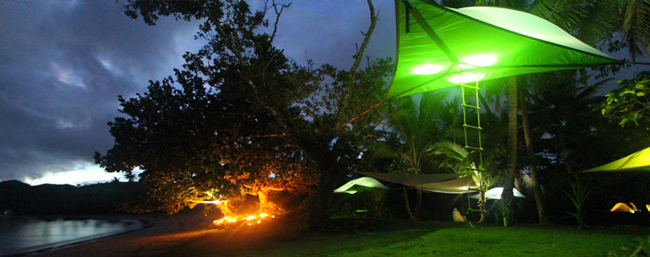
Access is usually provided by a small ladder or rope system. While it requires some balance, it is generally easy to use and adds an element of adventure to the camping experience.
The main drawback is the price. On the official website of manufacturers such as Tentsile, prices typically start at around $600. Simpler models can be found for approximately $100, although with reduced capacity and durability.
If you are interested in innovative outdoor solutions, you can explore more ideas related to camping and outdoor design on Vilssa.
📋 Summary table: tree-suspended camping tent
| Feature | Description |
|---|---|
| Type | Tree-suspended camping tent |
| Support system | Straps and tensioning anchors |
| Height above ground | Variable depending on installation |
| Main advantages | Less moisture, fewer insects, low environmental impact |
| Access | Ladder or ropes |
| Typical price range | $100 – $600 |
Content reviewed by the Vilssa editorial team.
Publicaciones relacionadas:
 De Camping en Camping por el norte
 What a Dehumidifier Is, How It Works, and How It Improves Indoor Comfort
 How to Make a Christmas Tree with Recycled Plastic Spoons
 How to Make a Sink with a Tree Log | Step-by-Step DIY Guide
 Petroleum-Derived Products: What We Get from Black Gold
 My Neighbors’ Noise Bothers Me: Effective Ways to Reduce It