

How to Transfer an Image onto Wood Step by Step
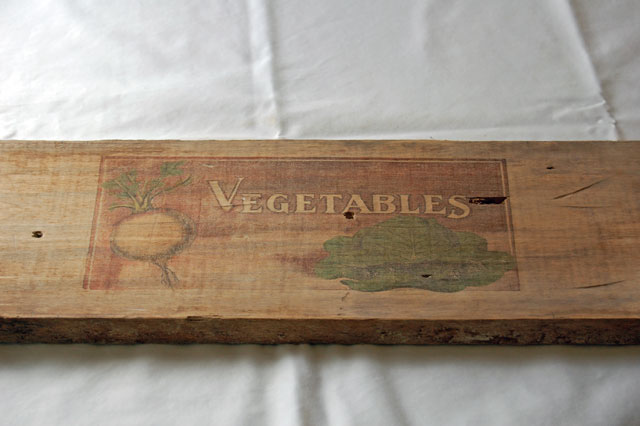
Practical guide to transferring an image onto wood step by step
Definition. Transferring an image onto wood consists of moving ink from a printed image directly onto a wooden surface using pressure, allowing the pigment to adhere permanently and visibly to the material.
Image transfer on wood. This DIY method makes it possible to reproduce photographs, illustrations, or text on wood without specialized tools. Although the finish differs from heat-transfer techniques, the result is natural and especially appealing on wooden surfaces.
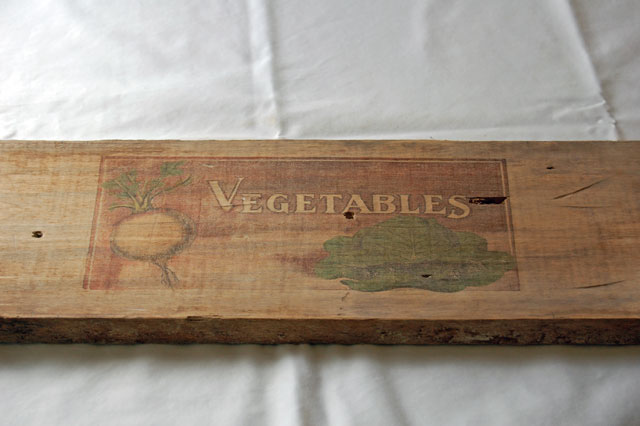
Materials needed to transfer an image onto wood
- 🪵 Smooth wooden surface (concrete can also be used)
- 🧻 Wax paper or baking parchment
- 🖨️ Inkjet printer
- 💳 Rigid card (credit-card type)
- 🖌️ Protective varnish (optional)
How to transfer an image onto wood step by step
- 🪚 Prepare the surface
Make sure the wood is clean, dry, and smooth. A flat surface significantly improves the quality of the transfer. - 🖨️ Print the image
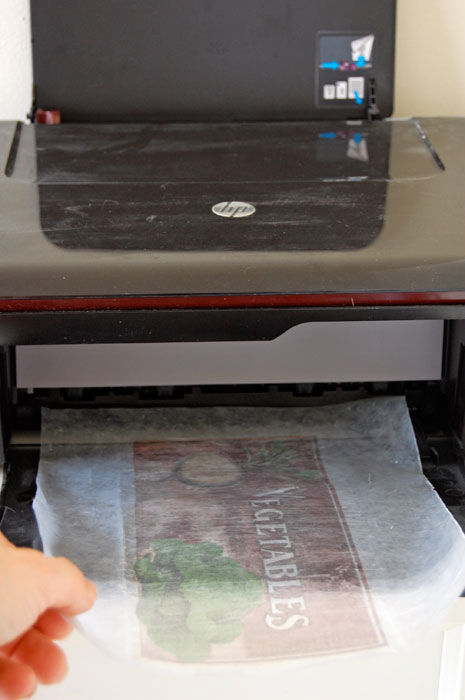
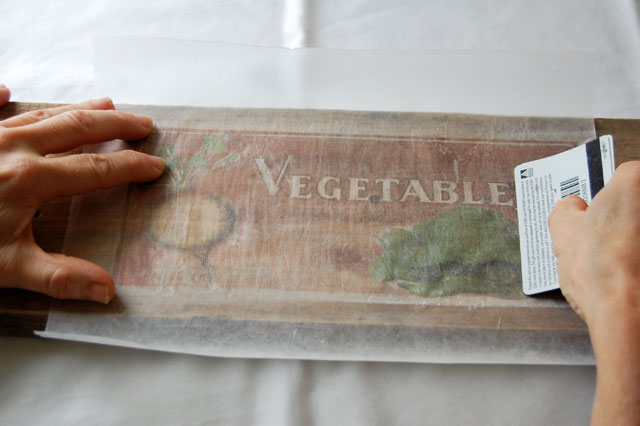
Print the image using an inkjet printer on wax paper or baking parchment. The image must be printed in mirror format. - ⚠️ Handle the paper carefully
Wax paper is very thin. Load it carefully into the printer to avoid paper jams, especially with automatic feeders. - 📄 Transfer the image
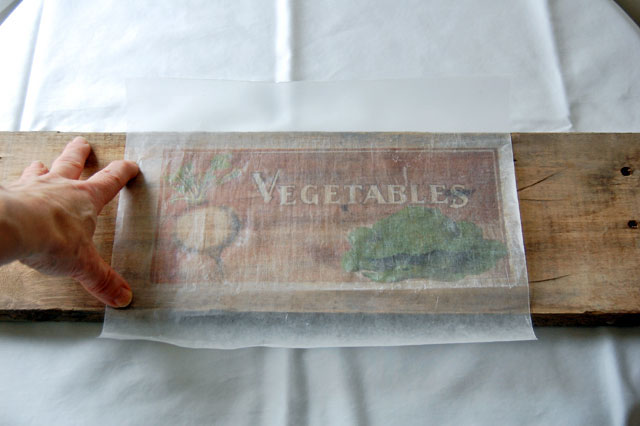
Place the printed paper face down on the wood. Rub firmly and evenly with a rigid card. - 🎨 Reveal the image
Carefully lift the paper. The ink will remain transferred onto the wood surface. - 🛡️ Protect the finish
Apply a clear varnish to protect the image and increase its durability.
Summary table of the wood image transfer process
| Stage | Action | Importance |
|---|---|---|
| Preparation | Sand and clean the wood | High |
| Printing | Mirror-print on wax paper | High |
| Transfer | Rub firmly with a rigid card | Very high |
| Protection | Apply varnish | Medium |
Technical summary. Transferring images onto wood using wax paper is a simple and low-cost technique that allows ink transfer without heat or machinery. The final quality depends mainly on the applied pressure and the condition of the surface.
Source. Technical guide prepared by the Vilssa editorial team, specialized in architecture, design, and handcrafted processes.
To explore more content about image transfer on wood or discover additional creative DIY articles, you can use the Vilssa search engine.
As an external reference, you can consult this detailed tutorial on image transfer to wood.
Publicaciones relacionadas:
 Different wood textures: how textured wood panels enhance interior design
 How to Make a Christmas Wreath with Clothespins Step by Step
 Types of Wallpaper and How to Apply It Step by Step
 How to Make Plaster Masks Step by Step – Easy DIY Craft for Kids
 How to Make Christmas Reindeer with Toilet Paper Rolls Step by Step
 How to Clean and Unclog a Drain Step by Step