

How to Eliminate Sewer Odors in Buildings: Causes and Effective Solutions
How to Identify and Eliminate Sewer Odors in Your Building
Unpleasant sewer odors coming from inspection chambers and drainage networks are among the most common building issues — even in modern constructions. These smells tend to concentrate in lower floors such as basements and ground levels. This step-by-step guide explains the main causes of sewer odors and the most effective solutions to eliminate or reduce them. You can explore related topics in the Vilssa section on inspection chambers.

|
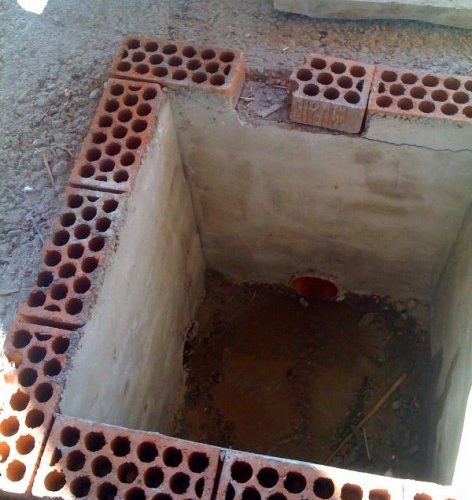
| Example of a non-siphonic inspection chamber |
Why Do Sewer Odors Appear?
- 💨 Poor ventilation in the drainage network.
When sewer pipes lack proper air renewal, gases from organic decomposition accumulate and push odors back inside the building. - 🚫 Unsealed or non-siphonic inspection chambers.
Without a water seal (siphon), gases can easily escape. Learn more in the Vilssa drainage section. - 🌡️ Odors intensify during heat waves.
During summer or drought, water levels in the drainage system drop and hydraulic seals dry out, allowing gases to escape more easily. - ⬇️ Strongest impact on lower floors.
Horizontal drainage pipes in basements trap gas pockets that escape through the nearest outlet, usually basement bathrooms or floor drains.
How to Reduce or Eliminate Sewer Odors
- 💧 Keep all traps filled with water.
Both individual and general traps must remain filled to prevent gas backflow. Check toilets, sinks, and floor drains frequently. - 🔒 Seal inspection chambers properly.
Use hermetic covers with gaskets to prevent odor leakage while still allowing maintenance access. - 🚻 Avoid locating bathrooms in basements.
Whenever possible, do not install bathrooms at basement level, where drainage gases concentrate. - 🌬️ Ensure proper ventilation of the sewer network.
Buildings must have adequate ventilation up to the roof. Older buildings without a vent stack frequently suffer from odor issues. - 🌧️ Separate rainwater and wastewater systems.
Their connection should be far from interior sumps. In summer, the rainwater system dries out and becomes a common escape route for gases. - 🛑 Install a siphonic inspection chamber.
The first chamber before connecting to the buried network must be siphonic and accessible. Learn more in the Vilssa inspection chamber section.
Summary Table: Causes and Solutions
| Cause | Solution | Effectiveness |
|---|---|---|
| Non-siphonic chamber | Install siphonic chamber | High |
| Dry hydraulic trap | Maintain water level | Medium |
| Poor ventilation | Vent to roof level | High |
To explore more topics about maintenance and drainage systems, use Vilssa’s search tool:
https://vilssa.com/es/?s=odor
Publicaciones relacionadas:
 How to Repair Roof Leaks – Causes, Diagnosis, and Effective Solutions
 Prefabricated Industrial Buildings: Fast and Efficient Modular Construction
 What to do if you forget your keys inside the house: practical solutions
 10 Effective Ways to Reduce Urban Traffic and Improve Sustainable Mobility
 10 Effective Ways to Make a Small Room Look Bigger
 How to repair a parquet floor: practical step-by-step guide