

Home Wind Turbine: How to Install One and Generate Your Own Electricity
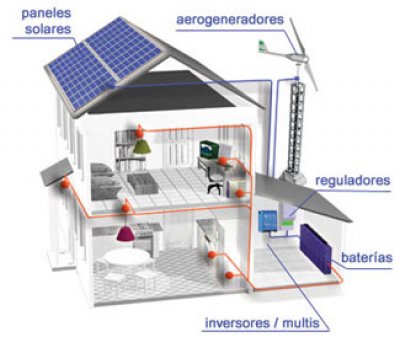
🌬️ Practical Guide to Installing a Small Home Wind Turbine
If you’re looking for ways to reduce electricity costs and make your home more energy-efficient, learning how to use a home wind turbine can be a smart and sustainable solution. Domestic wind generation is increasingly popular and, when installed correctly, can provide a significant portion of the electricity needed for lighting and small appliances. You can explore more ideas on renewable systems at Vilssa energía.
🔧 How to Install a Home Wind Turbine Step by Step
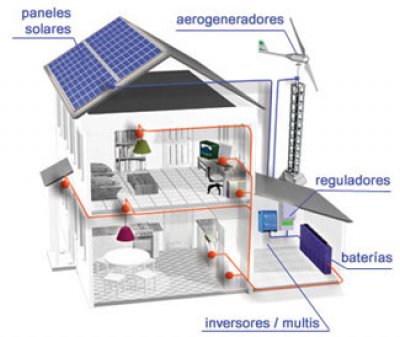
- 💨 Evaluate whether your home receives enough wind.
Choose an elevated, unobstructed area where the turbine blades can rotate freely. Wind availability is the key factor in determining performance. - 📄 Check local regulations before installing.
Every city may have rules regarding noise, height limitations, and visual impact. Always consult the municipal office and a certified technician to ensure compliance. - ⚙️ Choose a turbine size that matches your real needs.
Small residential systems can power lighting, electronics, and part of your household consumption. Larger systems require more space and a stronger support structure. - 🔌 Connect the wind turbine to a battery storage unit.
Domestic systems often include small batteries that store energy for use when the wind is weak. Storage capacity is limited, so prioritize essential appliances. - 🛠️ Install the support mast securely.
Use corrosion-resistant bolts and ensure that the mast is perfectly vertical. Poor installation reduces efficiency and increases wear. - 🔋 Integrate an inverter to supply household electricity.
The turbine produces DC power, which must be converted to AC to operate home appliances. A basic inverter is sufficient for small systems. - ♻️ Perform routine maintenance.
A home wind turbine can last more than 20 years if you regularly check the bearings, wiring, and battery condition. Learn more about renewable home solutions in renovables Vilssa. - ✨ Enhance efficiency with hybrid systems.
Many homeowners combine a small wind turbine with solar panels. This hybrid setup provides energy even when wind conditions are low, improving annual performance.
💡 Additional Tip: Optimize Your Home’s Energy Profile
Before installing a wind turbine, consider reducing your home’s energy demand. LED lighting, efficient insulation, and smart appliances can significantly lower the turbine size required. This makes the system cheaper, more efficient, and easier to maintain.
📊 Cost Examples for Home Wind Turbine Systems
Prices vary depending on the manufacturer, tower height, and installation complexity. Here are approximate figures based on common residential systems:
- 1 kW home wind turbine: $1,500
- 2.5 kW home wind turbine: $10,000
- 6 kW home wind turbine: $16,000
📋 Quick Comparison Table: Pros and Cons
| Aspect | Advantages | Considerations |
|---|---|---|
| Electricity savings | Wind is free; energy becomes nearly costless once installed. | Performance depends heavily on location. |
| Environmental impact | Zero emissions; a renewable and clean solution. | Visual impact may require municipal approval. |
| Energy storage | Small batteries allow partial autonomy. | Storage is limited in small households. |
To explore more related topics, use the Vilssa search engine:
https://vilssa.com/es/?s=molino
Written by the Vilssa renewable energy editorial team.
Publicaciones relacionadas:
 How to Install a False Ceiling at Home: Types, Uses and Costs
 Is Electricity a Clean Energy? The Truth Behind Its Real Impact
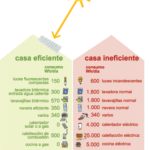 Electricity energy cost differences between efficient and inefficient homes
 How to Turn a Train Carriage into a Home – Ideas, Costs, and Tips
 Triple-glazed windows: complete guide to improving your home’s insulation
 Winter Flu Virus: Symptoms, Prevention and Effective Home Remedies