

How to Install an Acoustic Suspended Ceiling to Reduce Noise
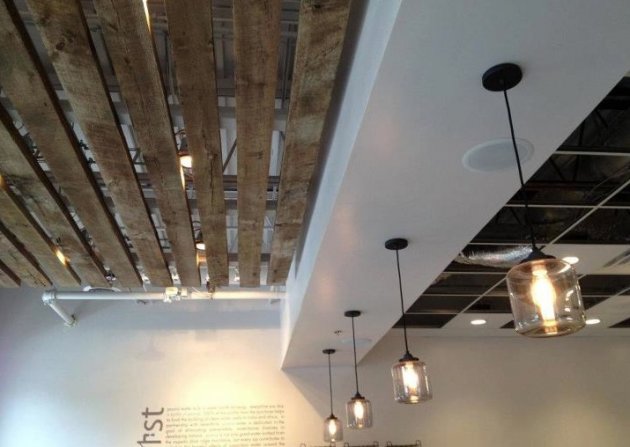
How to install a suspended ceiling to reduce noise at home
Definition. An acoustic suspended ceiling is a construction system installed below the original slab to improve sound and thermal insulation in a home, while also allowing the integration of recessed lighting and services.
Definition
Installing a suspended ceiling is an effective solution to reduce airborne and impact noise in existing dwellings. Unlike floor insulation, ceiling interventions are less invasive and easier to execute.
Technical criteria
- 🔊 Sound insulation: reduces noise coming from upper dwellings.
- 🌡️ Thermal insulation: improves indoor comfort and energy efficiency.
- 📐 Clear height: requires a height reduction of approximately 5 to 15 cm.
- 💡 Installations: allows recessed lighting and concealed wiring.
Use and location
- 📍 Rooms: living rooms, bedrooms and home offices.
- 🏠 Building type: existing apartments and single-family homes.
- 🔧 Intervention level: suitable for advanced DIY projects.
Materials and types
- 🧱 Polystyrene panels: lightweight solution with integrated insulation.
- 🧩 Plasterboard panels: modular system with higher performance and flexibility.
- 🧶 Insulation layers: mineral wool, extruded polystyrene or acoustic panels.
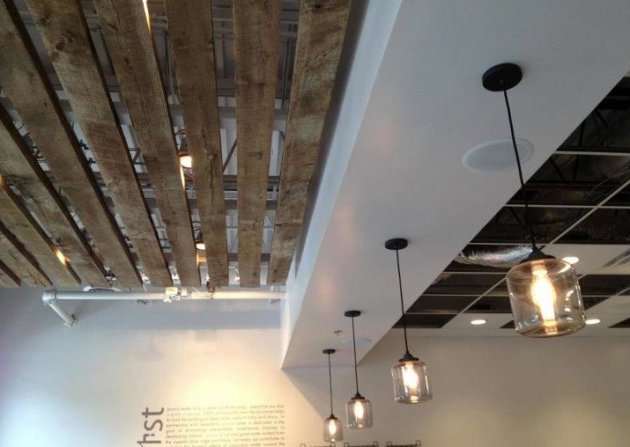
Polystyrene panel ceiling
- 🧱 Material: use prefabricated tongue-and-groove polystyrene panels.
- 🔨 Surface preparation: roughen specific points on the ceiling to improve adhesion.
- 🧴 Fixing: bond the panels using gypsum adhesive spots.
- 🧵 Joints: tape all joints with plasterboard joint tape.
- 🎨 Finish: apply plaster skim or paint directly using a textured finish.
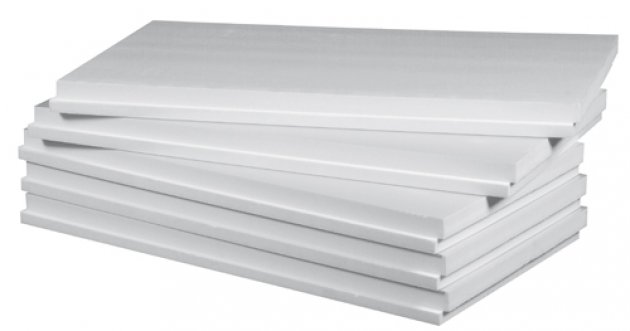
Plasterboard suspended ceiling
- 🪵 Structure: fix wooden battens to the ceiling, with a maximum thickness of 10 cm.
- 🧶 Insulation: install mineral wool or extruded polystyrene between battens.
- 🔩 Fixing: screw plasterboard panels to the timber structure.
- 🧵 Joint treatment: tape and apply joint compound.
- 🎨 Finish: sand and paint according to the desired finish.
Comparison table
| Criterion | Polystyrene | Plasterboard |
|---|---|---|
| Sound insulation | Medium | High |
| Thermal insulation | High | High |
| Installation difficulty | Low | Medium |
| Finish quality | Medium | High |
| Integration of services | Low | High |
Technical summary
Installing a suspended ceiling is an effective way to improve acoustic and thermal insulation in an existing home. Polystyrene panels offer a fast and simple solution, while plasterboard systems provide higher sound performance and better finishes, requiring more precise execution.
Source. Technical guide prepared by the Vilssa editorial team, specialised in architecture, construction and materials for interior and exterior spaces.
Publicaciones relacionadas:
 How to Install a False Ceiling at Home: Types, Uses and Costs
 My Neighbors’ Noise Bothers Me: Effective Ways to Reduce It
 Tree-Suspended Camping Tent: How It Works
 Doors That Block Noise: How to Improve Sound Insulation
 10 Effective Ways to Reduce Urban Traffic and Improve Sustainable Mobility
 How to Apply Natural and Cross Ventilation to Reduce Overheating