Types of Roof Waterproofing Systems: Which One to Choose
Types of roof waterproofing systems: which one to choose in each case
Introduction. Choosing the right waterproofing system for roofs and terraces is essential to prevent one of the most common building problems: leaks. Below we analyse the most widely used waterproofing solutions and when each one should be applied.
Roofs and terraces are among the most vulnerable parts of a building when it comes to water infiltration. Poor waterproofing can lead to damage to the building envelope, persistent damp problems and even structural deterioration.
Basic tips to prevent roof leaks
- 🧱 Use double waterproofing layers on flat roofs
If you are building a house, ask your architect to consider installing a double waterproofing layer on flat roofs. For pitched roofs, at least one continuous protective layer is recommended. - 🧹 Keep terraces and flat roofs clean
Prevent the build-up of leaves, dirt or debris and make sure that drains remain clear and unobstructed. - 🏠 Annual roof inspection
If your house has a tiled roof, inspect it regularly and replace broken or damaged tiles. - 🚿 Check gutters and downpipes
Inspect gutters and downpipes at least once a year to ensure proper water drainage.
Most common types of waterproofing for roofs
1️⃣ Tiled roofs
Roof tiles are waterproof by nature. Their overlapping installation prevents water from entering the roof structure by gravity, making them a traditional and effective solution in Mediterranean and European climates.
- ✔ Waterproof material
- ✔ Overlapping installation prevents water ingress
Although tiled roofs have traditionally relied solely on tiles for waterproofing, current best practice recommends adding a waterproof membrane beneath the tiles, usually a bituminous layer, to increase durability and simplify maintenance.
2️⃣ Bituminous waterproofing membranes
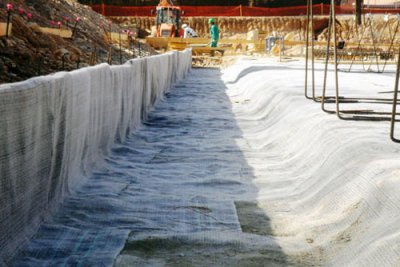
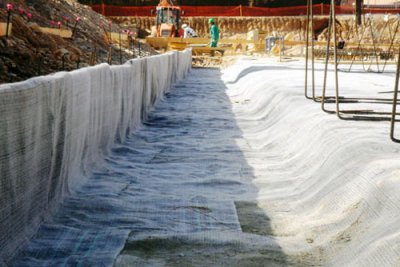
Bituminous membranes are one of the most commonly used waterproofing systems for both flat and pitched roofs. They are petroleum-based materials with excellent waterproofing properties.
Key recommendations for proper installation
- 🛡️ Install a double layer
Although a single layer may be sufficient, using two layers significantly reduces the risk of leaks if one layer is damaged. - 🎨 Apply a primer beforehand
Before installing the membrane, the substrate must be primed with a bituminous coating. - ☀️ Do not leave the membrane exposed
Bituminous membranes should be protected with gravel, paving or another finishing layer. Alternatively, self-protected membranes can be used.
In practice, both flat and pitched roofs are usually waterproofed with a bituminous membrane that acts as a base layer, over which tiles or other protective systems are installed.
Technical conclusion
Conclusion. There is no single waterproofing system suitable for every roof. The correct choice depends on roof slope, usage, climate and budget. However, combining traditional systems such as tiles with modern waterproofing membranes provides the most effective and durable solution.
Article prepared by the Vilssa editorial team · Construction and renovation.