Types of Windows: Opening Systems and Key Features
Types of windows and their main characteristics
Windows are one of the most important elements in any building. They directly affect natural lighting, indoor ventilation, and the loss or gain of heat.
When winter approaches, many homeowners consider replacing their old windows to reduce heat loss and save on heating costs. While well-insulated windows can significantly improve energy efficiency, they are not the only factor influencing a building’s thermal performance.
There are many types of windows available on the market. They can be classified according to different criteria such as the opening system, frame material, or glazing type. In this article, we focus on the types of windows based on their opening system.
Types of windows by opening system
A window has a certain weight, so the opening mechanism directly affects its maximum size and ease of use. For example, a side-hinged window wider than 1.5 meters is impractical due to its weight and the interior space required to open it.
Casement windows
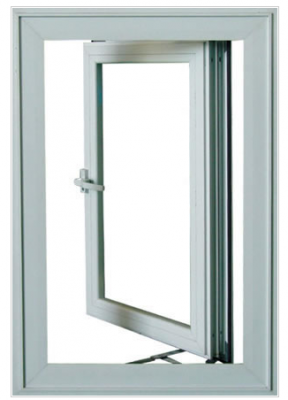
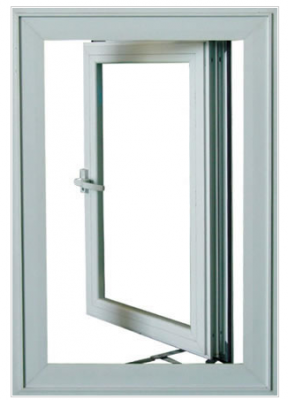
These windows pivot on a vertical axis. They are highly efficient because they usually provide excellent perimeter sealing. Their main drawback is that they occupy interior space when opened.
Pivot windows
Pivot windows are a type of hinged window but with a horizontal rotation axis. Terminology can vary depending on the country or manufacturer, so visual diagrams are often the best way to avoid confusion.
Tilt-and-turn windows
These windows can open on two axes: vertical and horizontal. Their main advantage is controlled ventilation, allowing air circulation without fully opening the window.
Sliding windows
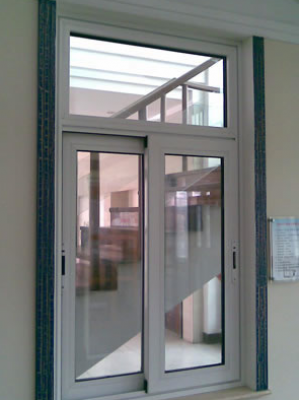
Sliding windows operate through horizontal movement. They are ideal for large openings, balconies, and terrace access. Traditionally, their weakest point was airtightness, although modern systems have greatly improved this aspect.
Proper ventilation is essential in residential buildings to prevent condensation problems and mold growth.
Other, less common window types include sash windows, folding windows, and rotating windows, which are usually reserved for specific applications.
Summary table: types of windows by opening system
| Window type | Opening system | Main advantages | Main drawbacks | Typical uses |
|---|---|---|---|---|
| Casement | Vertical hinge | Excellent sealing and insulation | Requires interior space | Homes, bedrooms |
| Pivot | Horizontal hinge | Easy operation and ventilation | Limited size | Homes and offices |
| Tilt-and-turn | Dual axis | Controlled ventilation and safety | Slightly higher cost | Modern residential buildings |
| Sliding | Horizontal sliding | Large dimensions, space-saving | Lower airtightness than casement | Terraces and balconies |
Reference website and image source:
Yokor Window
Content reviewed by the Vilssa construction editorial team.