

Microgeneration Systems: How They Work and Their Advantages
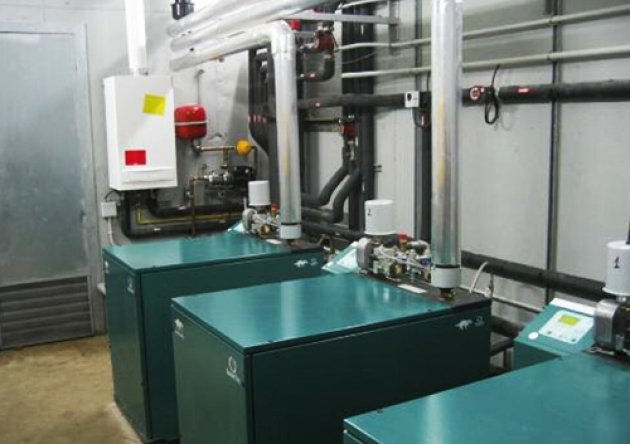
How microgeneration systems work to produce heat and electricity
Microgeneration systems make it possible to produce heat and electricity simultaneously in a single unit by efficiently using primary energy.
According to the
IDAE,
this technology improves overall energy performance, reduces consumption and lowers environmental impact.
If you want to explore related topics, you can search through the Vilssa database here:
search “microgeneration”.
🧩 1. What a microgeneration system is
Microgeneration combines two functions in a single device: producing electricity and generating useful heat for heating or domestic hot water.
The principle is similar to hybrid systems that recover residual thermal energy from an engine.
You can find additional content on heating and HVAC by searching here:
search “climatization”.
⚡ 2. Why microgeneration is highly efficient
High efficiency is achieved by taking advantage of primary energy in a comprehensive way.
While the electricity is used for self-consumption or exported to the grid, the heat generated by the engine is directed to the heating system or hot water production.
This reduces total energy demand, avoids losses and contributes to environmental sustainability.
You can search for more energy-related content here:
search “energy”.
🌱 3. Types of energy used in microgeneration
These systems typically operate on natural gas or propane, but can also use renewable sources such as biogas,
vegetable oil, pellets or bioethanol.
The engine drives an electric generator, while the recovered heat is used for heating and domestic hot water.
If you want to learn more about renewable fuels, search here:
search “biomass”.
🏘️ 4. Applications depending on the type of building
Microgeneration systems must be sized according to the building’s thermal and electrical demand:
- In a single-family home, typical demand is around 5 kW.
- In a multi-family building, demand can exceed 50 kW.
Properly designed equipment can cover up to 100% of the heating demand and more than 80% of the electrical demand.
This significantly reduces CO₂ emissions.
To explore more heating topics, you can perform a search here:
search “heating”.
🏙️ 5. Where microgeneration is most advantageous
Microgeneration systems are particularly suitable for:
- Homeowner associations
- Multi-family residential buildings
- Urban renovation projects
Thanks to their high efficiency and reduced operating costs, they are an excellent solution for sustainable building services and heating systems.
📊 Summary table of microgeneration systems
| Aspect | Description |
|---|---|
| Main function | Generate heat and electricity in one system |
| Energy source | Gas, propane, biogas, pellets, bioethanol |
| Applications | Homes, multi-family buildings, urban renovation |
| Advantages | High efficiency, reduced CO₂ emissions, lower energy costs |
® Written by the editorial team of construccion.vilssa
Publicaciones relacionadas:
 Stretch Vinyl Ceilings: What They Are, Features, and Advantages
 Natural Light Capture Systems: Heliostats and Fiber-Optic Daylighting Explained
 Solar Ovens: How They Work, How to Build One, and What to Cook with Solar Energy
 What Is a Septic Tank and How Does It Work? Types, Installation and Maintenance
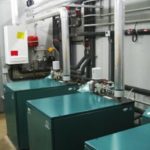 Systèmes de microgénération : fonctionnement et avantages
 Triple-glazed windows: complete guide to improving your home’s insulation