

10 Effective Ways to Make a Small Room Look Bigger
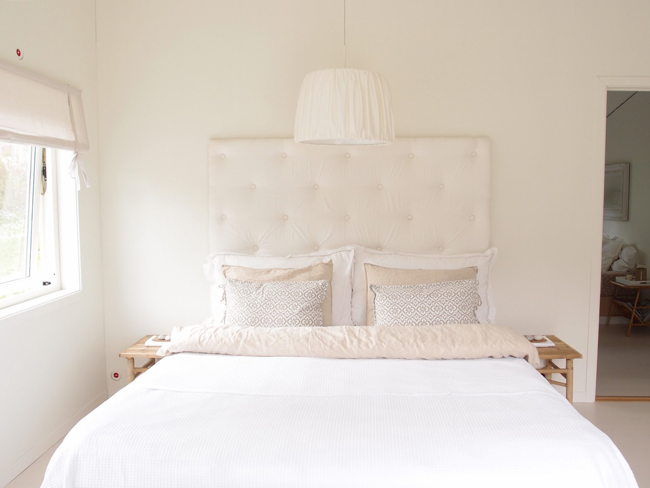
Simple Ways to Visually Expand a Room
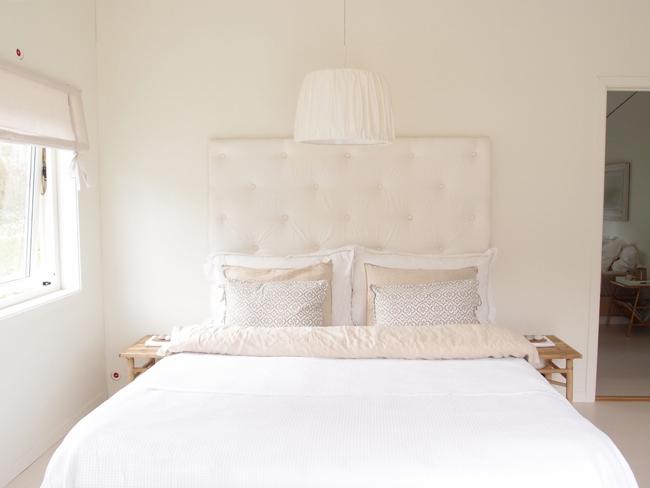
Below is a practical, step-by-step guide to help you apply real design techniques that increase the perception of space in any room. You can explore related content on Vilssa, such as this section on color usage.
- 🎨 Paint walls in white or very light tones.
Light colors reflect more light and make room boundaries harder to detect. By reducing contrast, the room feels brighter and visually larger. Find more ideas in Vilssa articles on color. - 🧽 Smooth the walls to remove texture.
Textures like popcorn or stippling create shadows that emphasize the room’s limits. Smooth, light-painted walls reflect light evenly and make the space feel more open. - 📦 Reduce the number of furniture pieces.
Fewer objects mean fewer visual references for scale. Removing unnecessary items reduces visual overload and makes wall surfaces appear wider. - 📏 Enhance the perceived height of the room.
Standard heights (2.5–2.9 m) set our visual horizon. Vertical design strategies—tall curtains, elongated lines, gradient colors—make the ceiling appear higher and increase the perceived volume. - 🪞 Use mirrors strategically.
Placing them opposite entrances or passageways doubles the visual depth. Their ability to reflect both light and perspective makes them one of the most effective tools to open up a space. - 💡 Increase general brightness.
The more light a room receives, the more spacious it feels. You can check additional techniques in how to maximize natural light. - 🛋️ Choose smaller or visually light furniture.
Compact furniture reduces the elements your brain uses to judge scale, making the entire room feel bigger. - 🔆 Use white light.
White light enhances color clarity on surfaces, creating a cleaner, more expansive atmosphere. - ✨ Opt for uniform lighting.
Reducing harsh contrasts keeps the space visually continuous. Even illumination softens shadows and boosts overall spaciousness. - 🧩 Play with floor patterns.
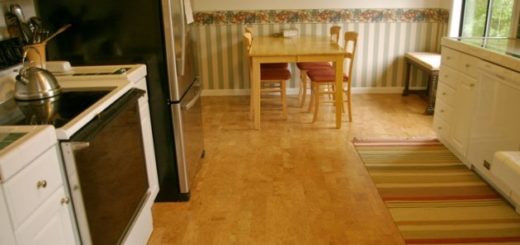
Directional lines, diagonal layouts, or planks aligned with the room’s perspective can trick the eye and extend the perceived depth.
If you’d like to explore more design solutions, visit the Vilssa search engine, where you’ll find additional guides and practical examples.
| Technique | Purpose | Visual Effect |
|---|---|---|
| Paint in white | Maximize reflected light | Greater perception of space |
| Smooth walls | Eliminate shadows and contrasts | Clean, uninterrupted surfaces |
| Reduce furniture | Avoid visual overload | More open, uncluttered space |
| Enhance room height | Lift the visual horizon | Higher ceiling perception |
| Add mirrors | Reflect light and depth | Illusion of a larger room |
| Increase brightness | Improve overall clarity | Brighter, more open feel |
| Use small furniture | Reduce scale references | Expanded spatial perception |
| White light | Increase surface clarity | Cleaner, wider appearance |
| Uniform lighting | Avoid strong shadows | Continuous, balanced space |
| Floor pattern design | Use lines and perspective | Enhanced sense of depth |
Publicaciones relacionadas:
 10 Effective Ways to Reduce Urban Traffic and Improve Sustainable Mobility
 How to Repair Roof Leaks – Causes, Diagnosis, and Effective Solutions
 Types of Wallpaper and How to Apply It Step by Step
 Transform your bathroom with vinyl flooring: easy, beautiful, and affordable
 Stretch Vinyl Ceilings: What They Are, Features, and Advantages
 How to Reuse Light Bulbs for Decoration Step by Step